 By
By
The Growing Imperative for Construction Waste Management
Construction and demolition activities generate approximately 40% of solid waste in developed countries, making construction waste management one of the most critical environmental and economic challenges facing the industry today. This staggering figure underscores the urgent need for systematic approaches to handling waste generated during building, renovation, and demolition projects.
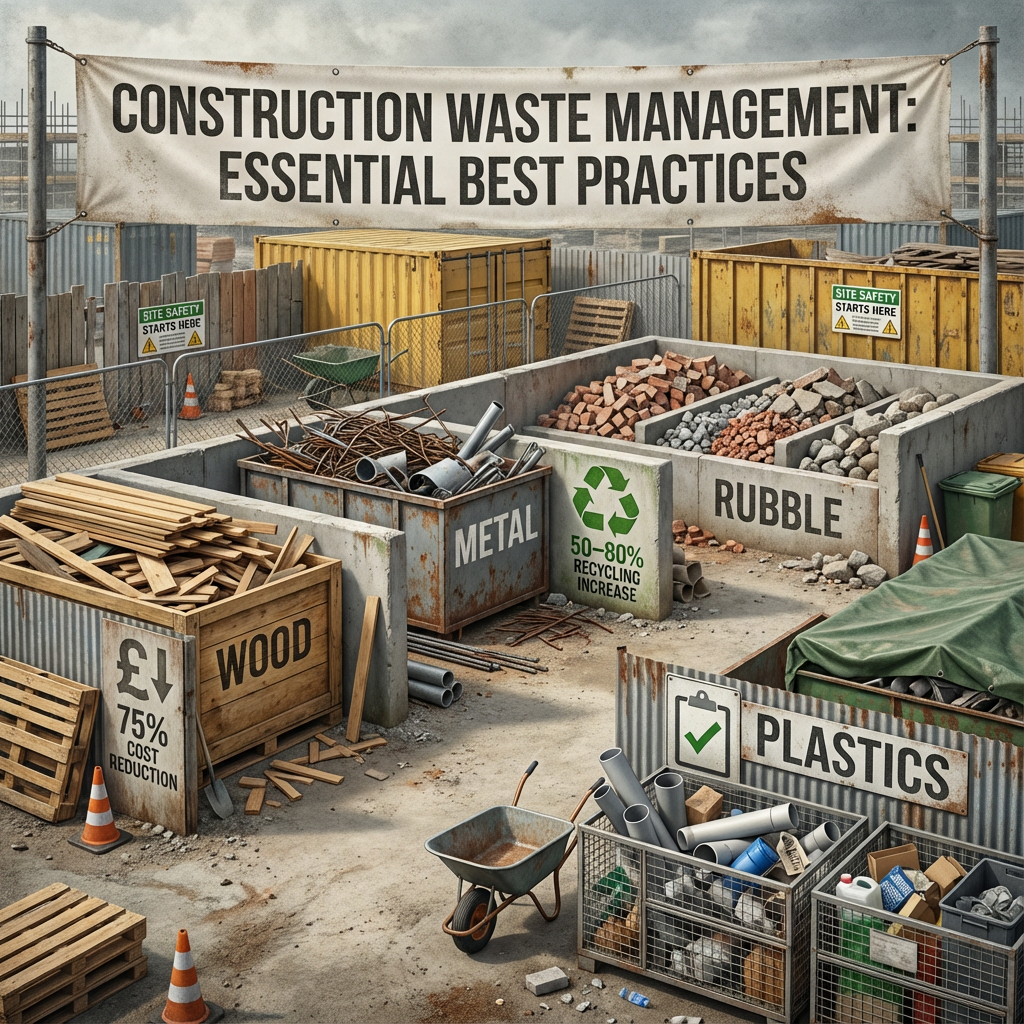
Construction waste management encompasses the comprehensive process of handling waste through elimination, minimisation, reuse, and recycling strategies. The statistics paint a clear picture: effective waste management can reduce disposal costs by up to 75%, whilst proper waste segregation increases recycling rates by 50-80%. These aren’t merely environmental benefits—they represent substantial cost savings that directly impact project profitability.
Understanding the fundamentals of construction waste management is essential to developing sustainable, cost-effective building practices that protect the environment and project budgets. This guide provides the comprehensive framework needed to transform waste from a costly disposal challenge into a valuable resource stream.
Understanding Construction Waste: Types, Sources, and Environmental Impact
Primary Categories of Construction Waste
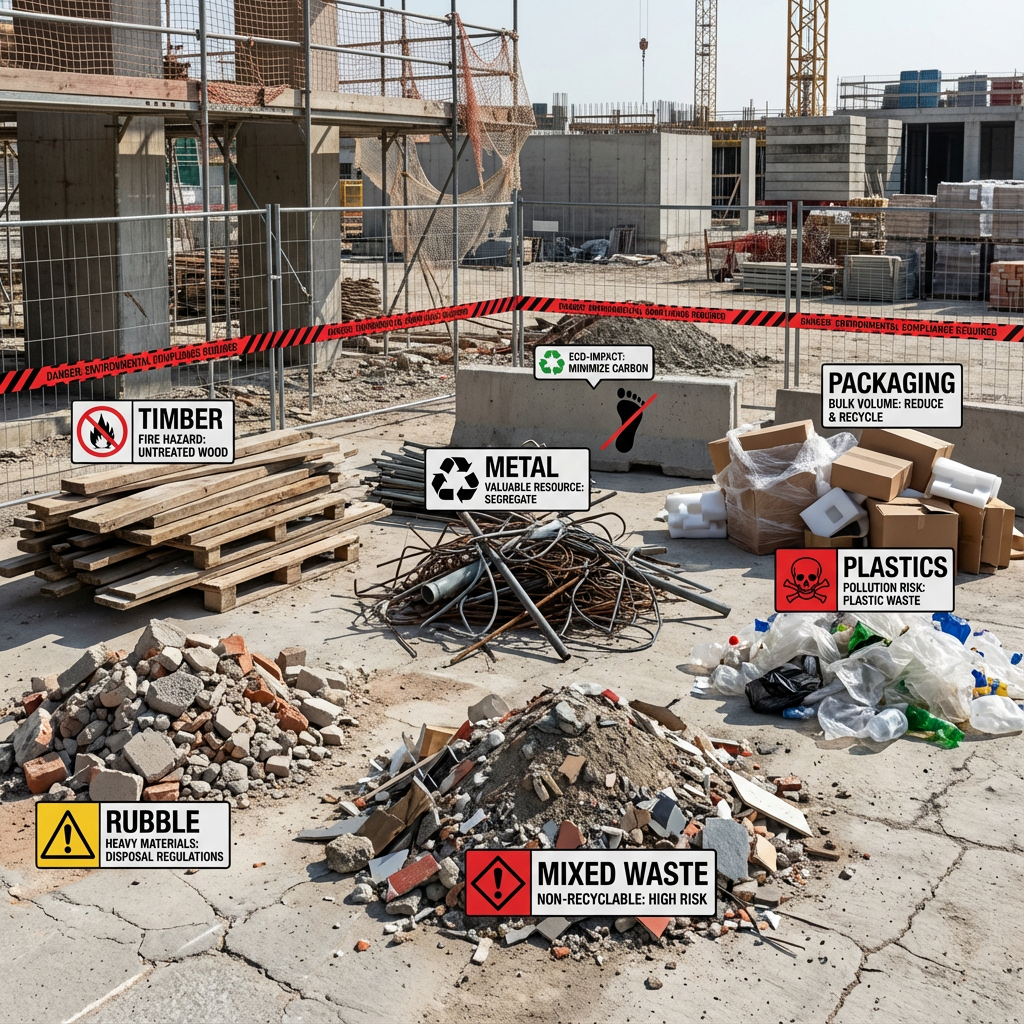
Construction waste encompasses diverse material streams, each requiring specific handling approaches to maximise recovery potential.
Structural Materials represent the largest volume category, comprising 40-50% of total construction waste. This includes concrete, bricks, masonry, and ceramics—materials that, when properly processed, can be transformed into valuable recycled aggregates for new construction projects.
Wood Products form another significant waste stream, including sawn lumber, treated timber, and engineered wood products. These materials offer excellent reuse potential when properly segregated and protected from contamination, often retaining structural integrity for future applications.
Metals, including steel reinforcement, copper piping, and aluminium components, rank amongst the most valuable recyclable materials. Their high scrap value provides strong economic incentives for recovery and recycling.
Hazardous Materials require specialised handling procedures. This category includes paints, solvents, asbestos-containing materials, and treated wood products that pose environmental and health risks when disposed of improperly.
Environmental and Economic Consequences
Construction waste contributes significantly to landfill pressure, with improperly disposed materials releasing methane emissions and potentially contaminating soil and groundwater systems. The environmental impact extends beyond immediate disposal concerns, affecting resource depletion and carbon emissions from manufacturing replacement materials.
Poor waste management practices increase project costs by 2-5% through excessive skip hire fees, disposal charges, and material waste. Conversely, effective strategies deliver substantial cost savings through material recovery and reduced disposal volumes, creating positive environmental and economic outcomes simultaneously.
According to environmental protection studies, “effective construction waste management reduces the volume of waste sent to landfills, minimising environmental pollution, conserving natural resources, and reducing greenhouse gas emissions.”
The Three Rs Framework: Reduce, Reuse, Recycle
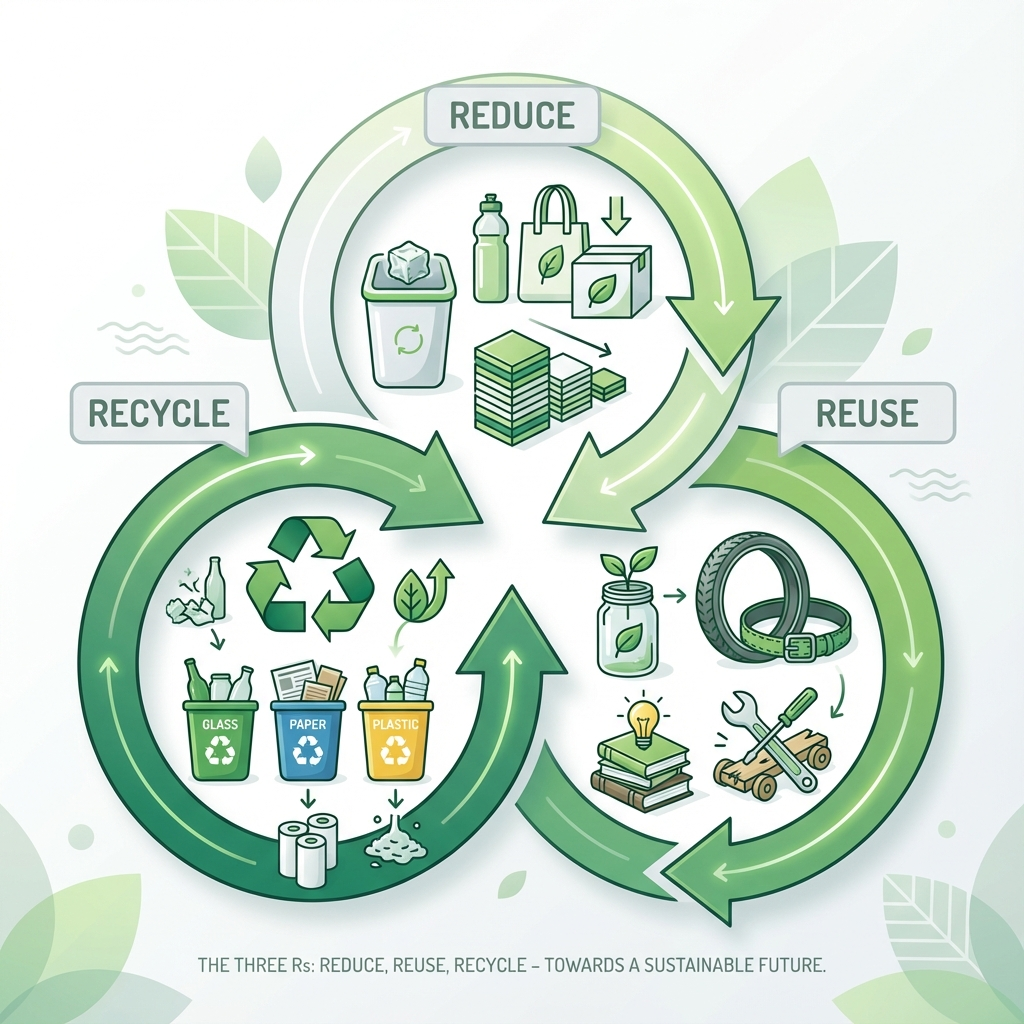
Reduce: Waste Prevention at Source
Prevention remains the most effective waste management strategy, requiring integration into project planning from the earliest design stages.
Modular Construction Approaches implement standardised dimensions and prefabricated components, reducing on-site cutting waste by up to 15%. This strategy requires collaboration between designers, manufacturers, and construction teams to optimise material usage.
Accurate Material Estimation utilises digital takeoff tools and Building Information Modelling (BIM) to prevent over-ordering. Precise calculations reduce surplus materials whilst ensuring adequate supplies for project completion.
Packaging Optimisation involves coordinating with suppliers to minimise packaging materials and implement returnable packaging systems. This reduces waste volumes and associated disposal costs.
Reuse: Maximising Material Value
Careful dismantling practices can recover 60-80% of structural materials for direct reuse, significantly reducing both waste volumes and material procurement costs.
Deconstruction vs. Demolition represents a fundamental shift in project approach. Systematic dismantling preserves material integrity, allowing recovery of intact timber beams and joists for structural applications, reclaimed bricks and stone for feature walls and landscaping, and architectural fixtures such as doors, windows, and decorative elements.
On-Site Material Recovery requires establishing dedicated storage areas for salvaged materials, protecting them from weather damage, and maintaining quality for future use. Proper storage systems ensure materials retain value and usability.
Recycle: Processing Into New Resources

High-Value Recycling Streams transform waste materials into valuable inputs for new construction projects.
Concrete Crushing converts demolition concrete into recycled aggregate suitable for road base and new concrete production. This process eliminates disposal costs whilst creating valuable construction materials.
Metal Recovery processes steel, aluminium, and copper for the manufacture of new products. The high scrap value of metals provides strong economic incentives for comprehensive recovery programs.
Gypsum Recycling recovers plasterboard waste for new drywall production, closing the material loop and reducing manufacturing demand for virgin materials.
Recycling and reusing materials reduces disposal costs whilst creating business opportunities and saving energy compared to producing materials from virgin resources.
Implementing Effective On-Site Waste Segregation
Segregation System Design
Establishing clearly labelled collection points for different waste categories maximises recycling potential and reduces contamination. Effective systems typically include separate containers for clean timber and wood products, mixed metals and cables, concrete, brick, and masonry rubble, general construction waste, and hazardous materials requiring special handling.
Multi-stream collection prevents cross-contamination that renders materials unsuitable for recycling, ensuring maximum value recovery from waste streams.
Container Selection and Positioning
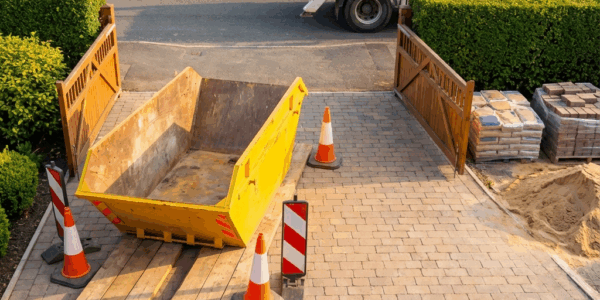
Skip Size Optimisation prevents overflow and contamination issues whilst controlling costs. Mini skips (2-yard capacity) suit small renovation projects, midi skips (4-yard capacity) accommodate moderate construction activities, whilst maxi skips (8-yard capacity) handle larger construction volumes efficiently.
Strategic Placement positions skips and containers near work areas to encourage proper disposal whilst maintaining site safety and access requirements. Convenient access increases compliance with segregation procedures.
Workforce Training and Engagement
Education Programs train workers on proper segregation techniques, increasing recycling rates significantly. Regular toolbox talks and visual guides help maintain awareness throughout the project duration, ensuring consistent application of waste management procedures.
Monitoring Systems that implement waste-tracking procedures allow project teams to identify improvement opportunities and measure performance against waste-reduction targets. Regular monitoring ensures continuous improvement in waste management practices.
Choosing the Right Skip and Waste Disposal Solutions
Skip Size Selection Guide
Matching container capacity to project needs optimises both cost-effectiveness and operational efficiency.
Mini Skips (2-yards) prove ideal for small household renovations, bathroom refits, and garden clearance projects where waste volumes remain limited.
Midi Skips (4-yards) suit kitchen renovations, small extensions, and moderate commercial clear-outs requiring intermediate capacity.
Maxi Skips (8-yards) accommodate house renovations, construction projects, and large-scale clearances generating substantial waste volumes.
For commercial skip hire needs, selecting the appropriate size ensures cost-effectiveness whilst meeting project requirements.
Permit Requirements and Compliance
Highway Permits ensure legal compliance when skips cannot be positioned on private property. Professional skip hire companies typically handle permit applications, reducing administrative burden for construction teams whilst ensuring regulatory compliance.
Hire Period Optimisation balances project needs with cost control. Standard 15-day hire periods provide flexibility for most projects, with extension options available for longer construction phases.
Professional Waste Management Services
Licensed Carrier Requirements ensure legal compliance and proper waste processing. Reputable providers offer comprehensive services including delivery, collection, and environmentally responsible disposal, removing administrative complexity from construction teams.
Value-Added Services from professional waste management companies provide expert advice on skip sizing, placement, and waste segregation, optimising both cost-effectiveness and environmental outcomes.
Regulatory Compliance and Legal Requirements
UK Construction Waste Regulations
Classification Requirements mandate that construction and demolition waste must be properly classified before collection, disposal, or recovery. This ensures appropriate handling procedures and regulatory compliance throughout the waste management process.
Health and Safety Compliance requires construction sites to maintain good order and cleanliness, with proper waste management being essential for site safety. The Health and Safety Executive regulations integrate waste management into broader site safety requirements.
Hazardous Waste Management
Special Handling Requirements apply to hazardous materials including asbestos, lead-based paints, and chemical solvents. These materials require specialised disposal procedures through licensed hazardous waste carriers to prevent environmental contamination and health risks.
Documentation and Traceability maintaining proper waste transfer notes and disposal certificates ensures regulatory compliance and provides audit trails for environmental management systems. Comprehensive documentation protects against potential liability issues.
Understanding what can go in a skip helps ensure proper handling of construction waste, especially hazardous components, preventing risks to workers, the public, and surrounding communities, whilst ensuring legal compliance throughout the project lifecycle.
Measuring Success: Monitoring and Continuous Improvement
Key Performance Indicators
Waste Diversion Rates, measuring the percentage of waste diverted from landfill through reuse and recycling activities, provide clear success metrics. These indicators demonstrate environmental performance and identify opportunities for improvement.
Cost Tracking monitors disposal costs, material savings, and efficiency gains, demonstrating the financial benefits of effective construction waste management. Regular cost analysis supports the development of business cases for enhanced waste management procedures.
Reporting and Analysis
Regular Assessment through monthly waste audits identifies trends, highlights successful practices, and reveals improvement opportunities for future projects. Systematic analysis ensures continuous enhancement of waste management performance.
Stakeholder Communication sharing waste management achievements with clients, regulatory bodies, and project teams builds environmental credibility and supports continuous improvement initiatives across the construction industry.
Building a Sustainable Construction Future
Effective construction waste management represents a fundamental shift towards sustainable building practices, delivering environmental protection, cost savings, and regulatory compliance simultaneously. The integration of waste reduction, reuse, and recycling strategies transforms construction projects from waste generators into resource recovery operations.
As environmental regulations strengthen and disposal costs increase, construction waste management will become increasingly critical for project success and business competitiveness. Forward-thinking construction professionals must embrace comprehensive waste management strategies, from initial design through project completion.
By implementing these best practices, the construction industry can transform waste from a costly disposal challenge into a valuable resource stream, supporting both environmental stewardship and economic efficiency. Every project represents an opportunity to contribute to a more sustainable built environment whilst capturing significant cost savings and operational benefits.