 By
By
Construction Skip Hire Best Practices for Builders
Construction waste management can make or break project timelines and budgets, with improper skip hire practices costing builders thousands in delays and compliance fines. Poor planning leads to overfilled skips, permit violations, safety hazards, and inflated disposal costs.
These eight best practices are based on regulatory compliance requirements, industry safety standards, cost-effectiveness analysis, and environmental sustainability principles. This guide will optimise your construction skip-hire operations, from initial planning to waste disposal.
1. Choose the Right Skip Type and Size for Your Project
Selecting appropriate skip types and sizes is fundamental to efficient waste management and cost control on construction sites. Wrong skip selection accounts for 30% of construction waste management inefficiencies and unnecessary costs.
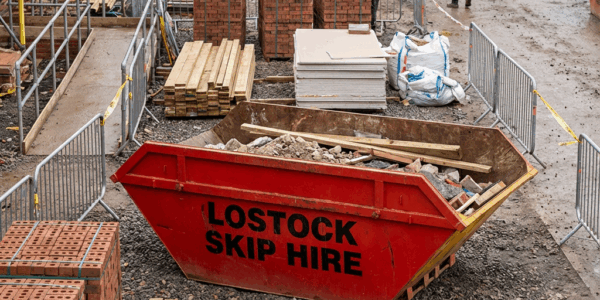
Builders skips (8 yards) handle standard construction debris efficiently, making them perfect for typical home renovations. For larger operations, Roll-On Roll-Off (RoRo) containers (20-40 yards) suit large-scale projects with substantial waste volumes. Closed skips provide security and prevent unauthorised dumping, particularly important on unattended sites.
A typical home renovation generates 8 cubic yards of waste, making a standard builders’ skip the most cost-effective option compared to multiple smaller skips. Consider weight limits alongside capacity, concrete and rubble require smaller skips due to weight restrictions, whilst timber and packaging allow maximum volume usage.
2. Obtain Proper Permits and Ensure Legal Compliance
Securing appropriate permits and meeting legal requirements prevents costly fines and project delays. Non-compliance can result in penalties of up to £1,000 and the forced removal of skips during critical project phases.
Skip licences are required for public road placement, with applications processed within 3-5 working days when including proper site plans and safety measures. Safety lighting and reflective markings ensure regulatory compliance during placement periods. Proper documentation protects against liability issues and demonstrates due diligence.
Contact your local council’s highways department early in project planning. Applications typically cost £15-50 and require site drawings, duration estimates, and safety equipment specifications. Emergency services must maintain access, and temporary traffic management may be necessary on busy roads. You can apply for permits through your local authority’s online portal.
3. Plan Strategic Skip Placement for Maximum Efficiency
Optimal skip positioning maximises loading efficiency whilst maintaining site safety and accessibility. Poor placement increases loading time by 40% and creates safety hazards for workers and the public.
Level, stable surfaces prevent tipping and spillage during collection. Maintain 2-metre clearance from walkways to ensure pedestrian safety, and position skips for accessible loading to reduce manual handling distances.
Positioning skips within 10 metres of primary waste sources reduces loading time from 15 to 9 minutes per load. Consider ground conditions—soft surfaces may require boards to distribute weight. Avoid positioning under overhead cables, near building entrances, or blocking emergency vehicle access. Proper skip placement requires careful planning for both safety and efficiency.
4. Implement Effective Waste Segregation Systems
Source segregation maximises recycling rates and reduces disposal costs through proper material separation. Adequate segregation can reduce waste disposal costs by up to 30% whilst improving environmental compliance.
Use multiple clearly labelled skips for different materials—concrete, wood, metals, and general waste require separate containers. Reduced contamination increases recycling potential, whilst compliance with environmental regulations meets sustainability targets increasingly demanded by clients.
Segregating metals, concrete, and timber can generate revenue of £50-200 per tonne, compared with £80-120 for mixed waste disposal. Train workers on segregation protocols and provide clear signage. Some materials, like plasterboard, require specialist disposal due to landfill restrictions. Proper construction material management follows sustainable practices that benefit both the environment and the budget.
5. Schedule Multiple Collections for Extended Projects
Regularly scheduled collections maintain site cleanliness and prevent workflow disruptions on long-term projects. Overfilled skips create safety hazards and work stoppages, costing projects an average of £300-500 per day in delays.
Prevent overflow and associated safety risks through proactive scheduling. Maintain continuous workflow without interruption, and enable better waste volume forecasting for accurate budget control.
Weekly collections on a 12-week project prevent the 15% productivity loss typically caused by waste accumulation. Calculate waste generation rates by project phase—demolition generates rapid waste volumes, whilst finishing trades produce steady, lower volumes. Book collections 48 hours in advance to guarantee availability.
6. Handle Hazardous and Prohibited Materials Properly
Correct handling of restricted materials ensures compliance whilst protecting workers and the environment. Improper hazardous waste disposal carries penalties up to £5,000 and potential criminal prosecution.
Separate disposal routes are required for asbestos, chemicals, and batteries. Specialist collection services handle regulated materials with proper certification. Documentation and certification provide audit trails for regulatory compliance.
Asbestos disposal requires licensed contractors and costs £300-500 per tonne, but illegal disposal fines start at £2,000. Common prohibited materials include paint, solvents, tyres, electrical equipment, and fluorescent tubes. Maintain a prohibited materials list on-site and train workers on identification procedures.
7. Maximise Loading Efficiency and Safety
Proper loading techniques optimise skip capacity whilst ensuring safe transport and collection. Efficient loading increases capacity by 20-25% and prevents rejected collections due to safety concerns.
Even weight distribution prevents transport issues during collection. Create a flat loading surface to enable safe mechanical lifting. Proper PPE usage protects workers from injury during loading operations.
Breaking down bulky items and distributing weight evenly can increase effective skip capacity beyond the nominal 8 cubic yards. Load heavy materials first, then lighter items on top. Never exceed the skip rim—protruding materials create safety hazards and may result in collection refusal. Follow comprehensive skip safety guidelines for proper loading procedures.
8. Develop a Comprehensive Site Waste Management Plan
A structured waste management plan coordinates all skip hire activities with project timelines and regulatory requirements. Projects with formal waste management plans reduce disposal costs by 25% and improve environmental performance.
Waste volume forecasting enables accurate budgeting and resource allocation. Regulatory compliance documentation satisfies planning conditions and environmental assessments. Performance tracking allows continuous improvement and demonstrates ecological credentials.
Sites with waste management plans achieve 70-80% recycling rates compared to 40-50% for unplanned operations. Include waste stream identification, disposal routes, collection schedules, and emergency procedures. Many commercial contracts now require formal waste management plans as standard.
Quick Reference for Implementation
Start with practices 1-3 for immediate improvements—proper skip selection, permit compliance, and strategic placement form the foundation of efficient operations. Implement practices 4-6 for enhanced compliance and cost savings through segregation, scheduled collections, and proper hazardous waste handling.
Advanced operations should adopt practices 7-8 for maximum efficiency through optimised loading techniques and formal waste management planning. These comprehensive practices work together to create efficient, compliant, and cost-effective construction waste management systems.
Successful construction skip hire requires careful planning, regulatory compliance, and ongoing management throughout your project lifecycle. For larger operations, consider commercial skip hire services that provide dedicated support and specialised equipment.