 By
Your Waste Is Going Digital
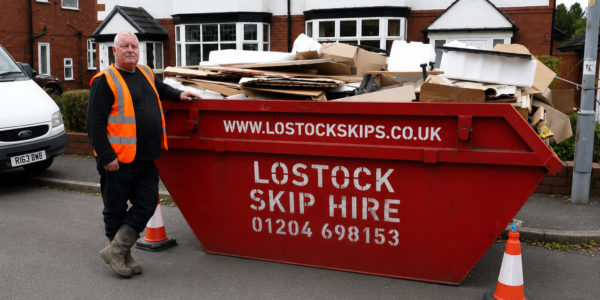
When you hire a skip, you probably don’t spend much time thinking about paperwork.
You order the skip. We deliver it. You fill it. We collect it.
Simple.
But behind that simple journey sits a regulated waste industry, and from 1 October 2026, an important part of the way waste is recorded in England is changing.
DEFRA is introducing Digital Waste Tracking.
It sounds like something only waste companies need to worry about.
And, for the most part, that’s true.
But we think customers should understand what’s changing too, because ultimately this is about something we’ve talked about a lot recently:
Knowing where your waste goes.
What Is Digital Waste Tracking?
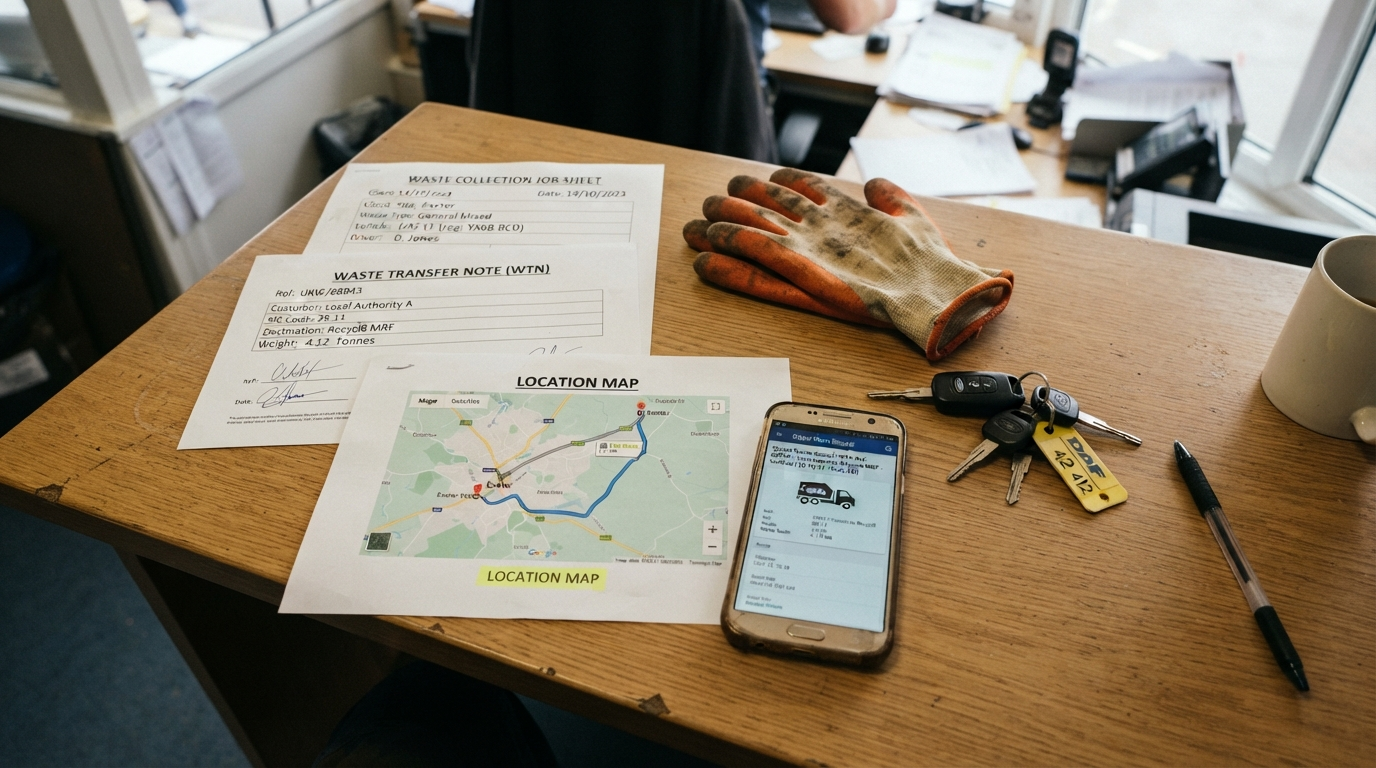
At the moment, waste information is recorded through a mixture of paperwork and different reporting systems.
The Government says this creates gaps in the information available to regulators and makes it more difficult to follow waste through the system and identify illegal activity. GOV.UK
Digital Waste Tracking is designed to change that.
The long-term aim is to create a more consistent digital record of waste as it moves through the waste chain.
Where did it come from?
Who handled it?
Where did it go?
Who received it?
Ultimately, what happened to it?
It’s essentially about creating a much clearer audit trail for waste.
What’s Changing On 1 October 2026?
This is where it’s important to get the detail right.
You may see Digital Waste Tracking described as though every movement of waste in the country will suddenly be tracked digitally from October.
That’s not quite what’s happening.
The Government is introducing the system in stages.
From 1 October 2026, organisations in England and Wales that are licensed or permitted to receive controlled waste will be required to report details of the waste they receive through DEFRA’s new digital service. Most household, commercial and industrial waste falls within the definition of controlled waste. GOV.UK
Those records generally have to be submitted within two working days of receiving the waste. GOV.UK
That’s phase one.
The next major phase will extend the system to waste collectors, including carriers, brokers and dealers. DEFRA currently plans to make that mandatory from October 2027. GOV.UK
So we’re moving towards end-to-end digital tracking rather than getting there overnight.
Why Is The Government Doing It?
One of the big reasons is waste crime.
DEFRA says weaknesses in the existing system can make it difficult for regulators to see exactly what’s happening to waste.
That creates opportunities for illegal operators.
Digital records should give regulators better information and make suspicious waste movements easier to identify and investigate.
DEFRA describes the goal as creating a clearer, near-real-time record of where waste goes, while providing regulators with better quality information to tackle waste crime. Defra Environment Blog
Given the fly-tipping and illegal waste problems we’ve discussed recently, it’s not difficult to understand why that’s important.
What Does This Mean When You Hire A Lostock Skip?
Here’s probably the most important bit for our domestic customers:
Very little changes for you.
You’re not suddenly going to need to log into a Government website every time you hire a skip.
You won’t need to digitally follow the wagon back to the yard.
You book your Lostock skip in the normal way.
We deliver it.
You fill it.
We collect it.
The changes are happening largely behind the scenes within the waste industry.
But although the customer experience may not change much, what’s happening behind that experience is becoming increasingly transparent and accountable.
And we think that’s a positive thing.
What Information Will Be Recorded?
The new system requires receiving sites to provide information about the controlled waste they receive.
That creates a digital record rather than important information remaining spread across separate paperwork and systems. GOV.UK
As later phases are introduced, the ambition is for better information to follow waste throughout its journey.
For regulators, that means greater visibility.
For legitimate waste businesses, it should make it easier to demonstrate that waste is being handled properly.
And for customers, it should provide greater confidence in the waste chain.
Will It Stop Fly-Tipping?
No system is going to make fly-tipping disappear overnight.
Someone determined to dump a mattress down a country lane isn’t necessarily going to be stopped by a computer system.
But there’s a much bigger waste crime problem beyond the fly-tipping we see at the side of the road.
Waste can pass through multiple hands and businesses before reaching its final destination.
The more gaps there are in that journey, the easier it can be for waste to disappear from the legitimate system.
Better tracking should make those gaps smaller.
DEFRA specifically sees Digital Waste Tracking as an important tool in tackling waste crime and making it harder for criminal operators to exploit weaknesses in the existing system. Defra Environment Blog
There’s A Customer Lesson Here Too
We’ve said this before, but it’s worth repeating.
When somebody takes your rubbish away, it hasn’t disappeared.
You’ve simply handed it to somebody else.
That’s why one of the simplest questions you can ask any waste collector is:
Where is my waste going?
It shouldn’t be an awkward question.
In fact, as the waste industry becomes more transparent, it should become an increasingly normal one.
Why Lostock Welcomes Greater Transparency
We spend a lot of time talking about what happens after we collect a skip.
That’s because collecting it from your driveway is only the first part of the job.
Waste has to be transported, sorted and processed. Materials that can be recovered need separating, and whatever remains needs to be handled through the appropriate waste routes.
All of that costs money.
It’s one of the reasons we’ve previously explained why responsible waste disposal isn’t simply a case of finding somebody with a wagon willing to take your rubbish away.
Digital Waste Tracking brings greater visibility to that journey.
We think that’s a good thing.
Responsible businesses should be able to show what happens to the waste they handle.
This Is Only The Beginning
The October 2026 changes are the first major mandatory stage, not the finished system.
Receiving sites come first.
Waste collectors, carriers, brokers and dealers are planned to follow, with mandatory reporting currently scheduled for October 2027. GOV.UK
Over time, that should create a much clearer picture of how waste moves around the UK.
For most Lostock customers, hopefully the process remains remarkably simple:
You book it. We collect it. We deal with it properly.
The clever stuff happens behind the scenes.
But perhaps that’s exactly how it should be.
Because your responsibility shouldn’t be learning the intricacies of waste legislation.
It should be choosing someone you trust to deal with your waste properly.
Your waste. Our responsibility.